The Illusion of Control in Casino Environments
Casinos are masterfully designed environments that leverage psychological principles to influence player behavior. One of the most potent tools is the creation of an illusion of control. This is achieved through various means, such as the way games are presented, the sounds, the lighting, and even the proximity of winning machines. Players often feel they have some agency or a strategy that can influence the outcome, despite the inherent randomness of most casino games. This feeling of control, however misplaced, encourages longer play sessions and more frequent betting. For those seeking a convenient way to experience this, the luck quack casino app offers a streamlined platform.
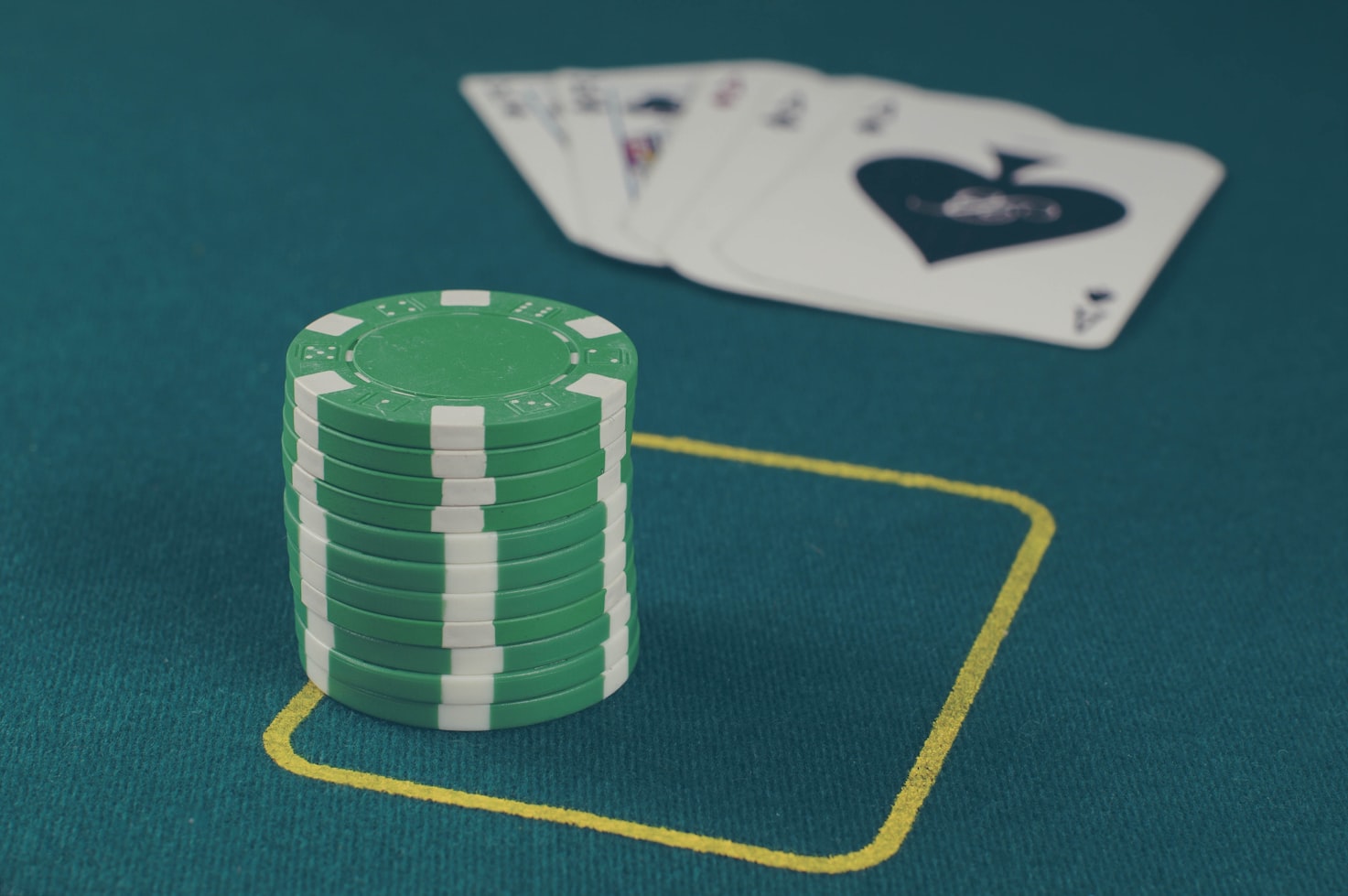
Consider the visual cues in a casino. Bright lights, the clatter of slot machines, and the visual representations of wins all contribute to an atmosphere of excitement and potential. This sensory overload can distract from the reality of the odds, making players believe that their next bet is the one that will break the bank. The design of table games, with their felt surfaces and chips, also lends itself to a perception of skill and strategy, even in games of pure chance. This psychological manipulation is key to understanding how casinos aim for bigger payoffs, not just from the house edge, but from sustained player engagement.
Leveraging Cognitive Biases for Casino Engagement
Cognitive biases play a significant role in how individuals interact with casino games. The “near miss” phenomenon, for instance, where a slot machine almost lands on a winning combination, can be incredibly motivating. Psychologically, it primes the player to believe they are very close to a win, increasing the likelihood of another bet. This is far more effective than a complete loss, which might cause a player to quit. Casinos understand that these near misses create a powerful loop of anticipation and renewed effort.
Another exploited bias is the availability heuristic. When players witness or hear about others winning, the memory of those wins becomes more accessible, making winning seem more common than it is. This social proof, amplified by casino ambiance, fuels the belief that “it could be me next.” Furthermore, the framing of games, such as presenting bonuses as “free spins” or “extra chances,” rather than as part of the overall cost of play, can lead players to underestimate their actual expenditure and overemphasize potential gains. This careful framing is central to the casino’s strategy for maximizing player investment.
The Role of Variable Reinforcement Schedules
The concept of variable reinforcement schedules, famously studied in operant conditioning, is a cornerstone of casino game design. Unlike predictable rewards, casino games deliver payouts at unpredictable intervals. This unpredictability is far more effective at maintaining behavior than a fixed reward system. Players continue to play, hoping for that next, elusive win, because they never know when it might occur. This creates a highly addictive cycle, similar to that experienced by individuals with gambling disorders.
Slot machines are prime examples of this principle. The random number generators ensure that wins are sporadic and varied in amount. This creates a thrilling uncertainty that keeps players engaged for extended periods. The expectation of a reward, coupled with the uncertainty of its timing, is a powerful psychological driver that casinos expertly employ to ensure players remain at the machines, contributing to the casino’s overall profitability. The allure of a big, unpredictable payoff is a primary psychological command for continued play.
Emotional Regulation and Escape in Casino Settings
For many individuals, casinos offer more than just the chance to win money; they provide an environment for emotional escape. The immersive atmosphere, the distraction of the games, and the intensity of the betting can temporarily alleviate stress, boredom, or unhappiness. This emotional regulation function of gambling means that players may return to casinos not just for the games, but for the psychological relief the experience provides. This emotional dependency can significantly prolong play and increase spending.
The bright lights, the sounds, and the focus required for playing games effectively create a bubble that separates players from their everyday worries. This escapism, however, can lead to a detrimental cycle where gambling becomes a coping mechanism. Casinos, by their very design, facilitate this escape, making it easier for individuals to lose track of time and money while seeking solace or excitement. The psychological comfort derived from this immersive, albeit temporary, escape is a key factor in sustained engagement and, consequently, larger gambling payoffs for the establishment.
LuckQuack App: Immersive Casino Psychology On-the-Go
The LuckQuack App brings the same psychologically engineered casino experience directly to your mobile device, demonstrating how these principles translate to the digital realm. Designed for on-the-go entertainment, the app offers a wide selection of casino games that utilize many of the same psychological drivers discussed. From the visual and auditory cues that mimic a physical casino floor to the variable reward schedules inherent in slot and card games, LuckQuack aims to provide an immersive and engaging experience that encourages extended play.
Players downloading the LuckQuack App can expect to find games that are optimized to capture attention and leverage cognitive biases. The convenience of mobile play means that the illusion of control, the allure of near misses, and the emotional escape are always accessible. Bonuses and promotions, often framed to enhance perceived value, further contribute to the psychological landscape of the app, encouraging players to deposit and play more. The LuckQuack App exemplifies how modern casino psychology is effectively integrated into digital platforms for continuous player engagement and bigger gambling payoffs.